Need polyaspartic floor coating services in Gary?
Send an estimate request, or request a callback to check provider availability. Phone hours are Mon-Fri 9am-9pm ET. There is no obligation.
Phone lines open Mon-Fri 9am-9pm ET · No obligation
Epoxy Garage Floors in Gary, Made Simple
Request an estimate today
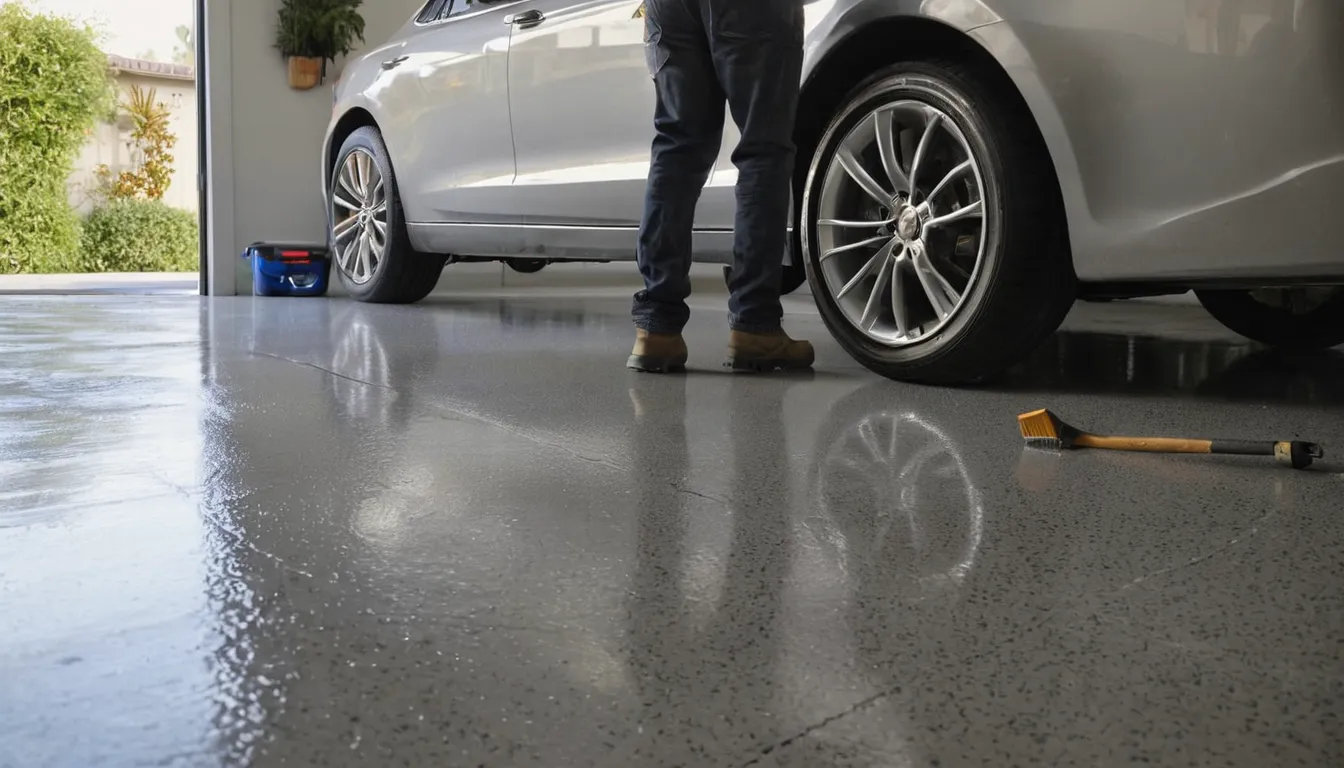
Polyaspartic is a clear or colored coating for concrete. It hardens fast, so many garages are ready for use sooner than with older coatings. It resists scratches, hot tires, and the sun. It also holds up well to the swings of the Gary area weather.
Studentsmodels Floor Coating does not coat floors. We are a referral service. You tell us about your floor, and we link you with an independent provider in our network. The provider checks the slab, explains the options, and gives you a written quote. You decide if the job is right for you. There is no obligation to hire anyone.
Maybe the garage is torn up. Maybe a car, a bench, and a pile of boxes are all waiting for the floor to be done. Polyaspartic is built for this. It is a coating that hardens fast. The word for that is "cure." Cure time is how long the coating needs before you can walk or park on it.
Many providers can finish a garage in a short window. Exact timing depends on the job, the weather, and the slab. Ask for a clear schedule in writing.
Less searching, more floor. Start with a request and let Studentsmodels Floor Coating do the matching.
Polyaspartic is a type of plastic coating. It goes on top of bare concrete. It forms a hard, smooth skin that blocks oil, salt, and water. It looks a lot like epoxy once it is down, but it acts a little differently while it is going on.
This is a form of concrete coating that suits busy households. It also works well for custom floor finishes, since color and flake choices are wide.
Epoxy garage floors are still a popular pick. Epoxy is a two-part resin. It cures slowly and gives a thick, glossy layer. Polyaspartic cures much faster. It also stays clear in the sun, while many epoxies turn yellow over time.
Here is the short list:
Some providers use polyaspartic for every layer. That is a full system. Others use epoxy as the base and polyaspartic as the top coat. That is a hybrid system.
A hybrid can cost less. Epoxy fills pores in the slab well. The polyaspartic top coat then adds the scratch and sun protection. A full system can save time, since fewer layers are needed. Ask the provider why they suggest one over the other for your floor.
A coating is only as good as the concrete under it. Small cracks, small fixes. Fill them before they spread. A good provider will look at the slab before they quote.
They may check for:
Basement-style homes with sump pumps often have damp concrete. Ask whether a moisture test is part of the plan.
The steps are simple. Knowing them helps you spot a rushed job.
The crew grinds the surface with a machine. This opens the pores in the concrete so the coating can grip. Then they fill cracks and clean up the dust.
Next comes a base coat. Flakes, which are tiny colored chips, may be tossed on while it is wet. This adds color and grip.
The final polyaspartic layer seals everything. It sets fast, so the work moves quickly. Then it needs time to cure before use.
Garages are the top fit. Hot tires, road salt, and dripping fluids hit a garage floor every day. Polyaspartic stands up to that.
It can also suit:
It is not the same as hardwood flooring installation. Wood belongs inside the living space. Polyaspartic is for concrete only.
Cold winters with deep frost can crack concrete. Hot, humid summers can slow some coatings. Polyaspartic handles a wider range of temperatures than many options, but it is not magic.
The slab must be dry. After heavy rain or spring flooding, give it time. A provider can tell you when the floor is ready. Plan the job for a stretch of calm weather if you can.
Flakes hide dust and small marks. A busy blend of gray, tan, and black hides the most. A solid color shows more dirt but looks clean and sharp.
Ask to see a sample board. Look at it in the garage light, not just in the showroom. Custom floor finishes can also include a metallic look or a clear coat over stain.
Care is easy. Sweep often. Mop with mild soap and water. Wipe up spills when you see them.
Skip harsh acid cleaners. Place mats under jacks and heavy tools. Wait the full cure time before parking. Your provider will give exact dates.
A clean, sealed garage floor looks sharp to buyers. It also guards the concrete from salt and moisture. Done right, held value. Pick a provider who preps well, not just one who sprays fast.
Bring this short list to your first talk:
Get answers in writing. Then compare. If you want to start, request an estimate below.
The provider looks at cracks, stains, and damp spots before quoting any coating.
A grinder opens the concrete surface so the coating can grip and last.
Small cracks and chipped edges get filled so they do not spread under the finish.
Pick a solid color, flake blend, or clear top coat for your floor.
Prices vary by size, slab shape, and system. These are typical U.S. ranges only. Your provider will inspect the floor and give a written quote. Compare more than one quote before you choose.
| Item | Typical range | Notes |
|---|---|---|
| Full polyaspartic system, per sq ft | $5 – $12 | Higher end for thick or custom systems |
| Hybrid epoxy and polyaspartic, per sq ft | $4 – $9 | Epoxy base with a polyaspartic top coat |
| Two-car garage, full job | $2,500 – $6,000 | Depends on size and prep work |
| Crack and chip repair | $100 – $600 | Cost rises with the number of cracks |
| Removing old paint or coating, per sq ft | $1 – $3 | Needed when the old layer is peeling |
| Moisture test or vapor barrier | $50 – $1,500 | Test is low; barrier adds cost |
Tell us about your garage or concrete floor and what finish you want.
Studentsmodels Floor Coating links you with an independent provider in our network near you.
The provider looks at your floor and gives you a written estimate.
You choose the provider, agree on timing, and plan for the cure time.
Send one request instead of calling many companies. We link you with a provider in our network.
Independent providers know the weather and the older homes in your area.
Get a written quote and clear steps. No pressure and no obligation.
Good prep and a solid coating help protect your garage and your home's value.
Send an estimate request, or request a callback to check provider availability. Phone hours are Mon-Fri 9am-9pm ET. There is no obligation.
Send an estimate request, or request a callback to check provider availability. Phone hours are Mon-Fri 9am-9pm ET. There is no obligation.
Phone lines open Mon-Fri 9am-9pm ET · No obligation